
Mental health
Everyday worry or GAD? How to tell the difference
Everyone worries sometimes. The difference is not whether you ever worry, but how often it happens, how hard it is to manage and how much it disrupts your life.

Everyday worry is usually tied to a particular situation and eases over time. With generalized anxiety disorder (GAD), worry persists, is hard to control and often spans several ordinary areas of life. It may affect sleep, concentration, relationships or work. A healthcare professional can assess whether it is GAD.
How is GAD different from everyday worry?
| Everyday worry | Possible GAD |
|---|---|
| Usually connected to a specific event or decision. | Worry shifts between health, money, family, work and other concerns. |
| Usually possible to set aside, or eases when the situation is resolved. | Difficult to stop even when you try to reassure yourself. |
| Rarely disrupts daily life for a long time. | Takes time and energy and can affect sleep, focus and daily life. |
Signs worth taking seriously
Persistent worry can also show up physically: restlessness, muscle tension, fatigue, irritability, headaches or stomach problems. One symptom alone does not mean you have GAD. The pattern and its effect on your life are what matter in a conversation with a clinician.
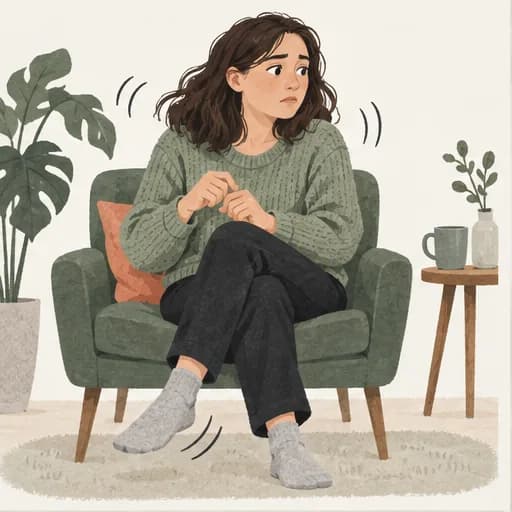
Restlessness
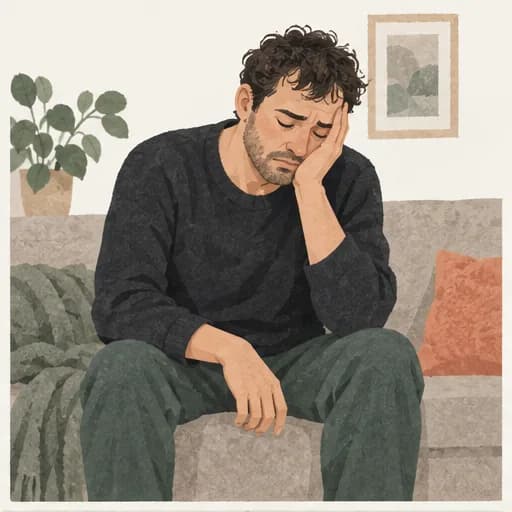
Fatigue

Irritability

Difficulty concentrating
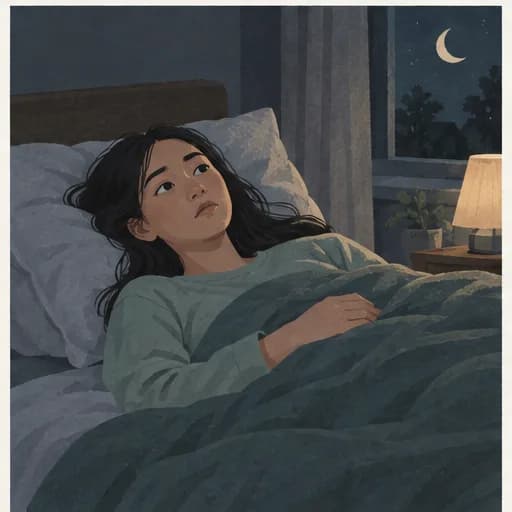
Sleep difficulties
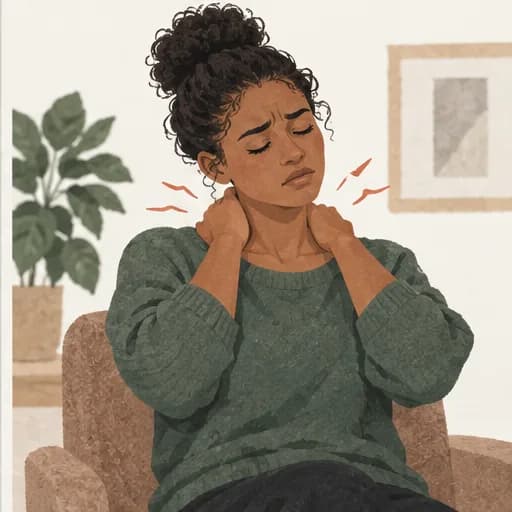
Muscle tension
How is GAD assessed?
An assessment looks at what you worry about, how long it has been happening and how it affects daily life. A clinician may also check for other causes of your symptoms. Diagnostic criteria often describe worry on most days for at least six months, but you do not need to wait that long to ask for help.
Treatment can help
Cognitive behavioural therapy (CBT) is an established treatment. Medication may also be an option, sometimes alongside therapy. The right approach depends on your symptoms and circumstances. Self-care can help, but it is not a substitute for assessment when worry limits daily life.
When should you seek care?
If worry affects your daily life, contact Skepsis to ask about an assessment and book an appointment. You can also contact a primary care clinic or outpatient mental health service. In Sweden, call 1177 if you are unsure where to seek care.
If you have plans to take your life or feel you cannot go on, seek emergency psychiatric care. If there is an immediate danger to life, call 112.
Contact Skepsis to bookLearn more about GAD
Our main guide to generalized anxiety disorder covers symptoms, assessment and treatment in more detail.
Generalized anxiety disorder (GAD) →Sources
This is general information, not a substitute for individual medical advice.